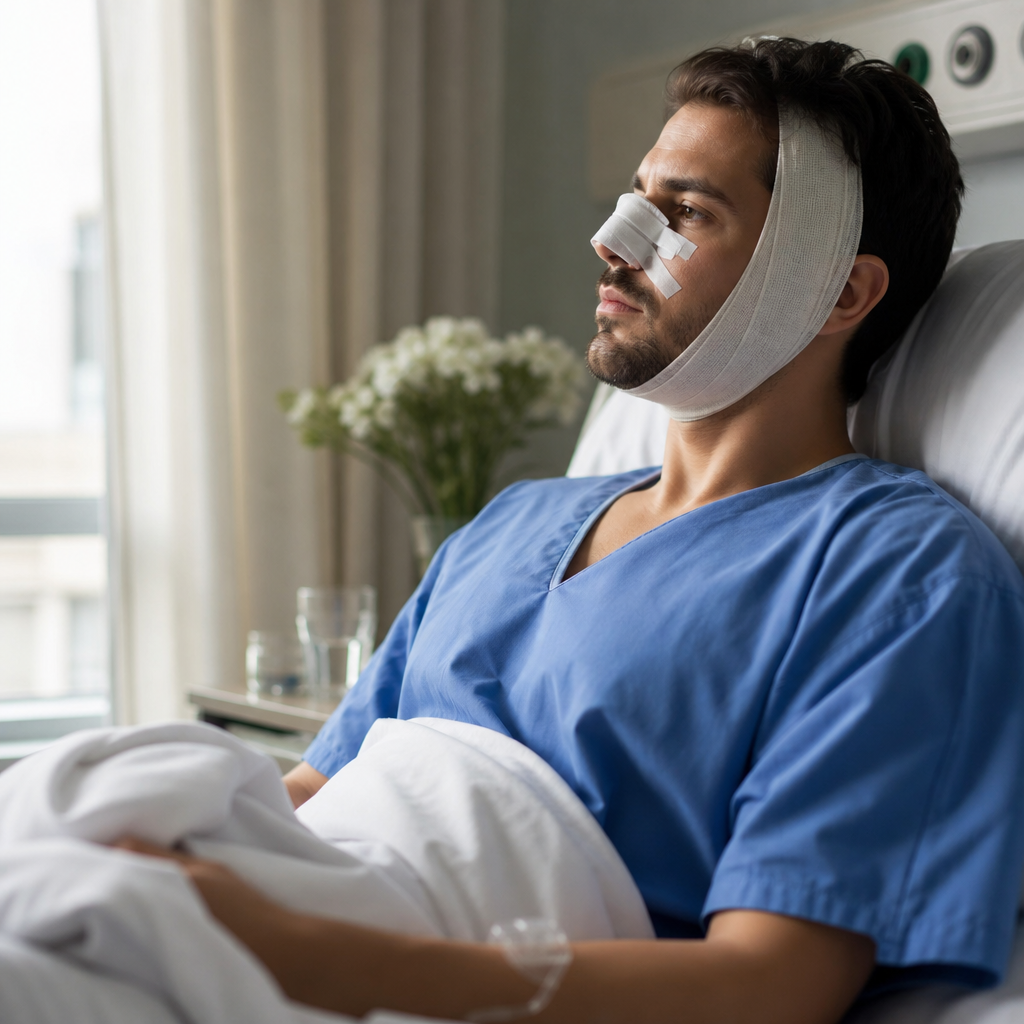
The gap between social media portrayals of cosmetic procedures and actual recovery experiences remains substantial. While influencers post filtered selfies days after surgery, patients in recovery face swelling, bruising, and activity restrictions that last weeks or months. Understanding the physiological reality of healing after elective surgery helps set appropriate expectations and prevents the disappointment that leads to poor outcomes.
The First 72 Hours: Inflammation and Immediate Response
Your body treats cosmetic surgery exactly as it treats any surgical trauma. The inflammatory cascade begins immediately after incision, bringing increased blood flow, fluid accumulation, and immune cell activity to the affected tissues. This explains why swelling peaks between 48 and 72 hours post-operation, regardless of procedure type.
During this acute phase, bruising spreads as blood from disrupted capillaries disperses through tissue planes. Facial procedures often produce dramatic discoloration that migrates downward due to gravity. A rhinoplasty may result in purple crescents under the eyes that drift toward the cheekbones over several days. This is normal hemoglobin breakdown, not a complication.
Pain management becomes critical here. Modern protocols balance opioid use with non-narcotic alternatives to minimize addiction risk while controlling discomfort. Most patients report that the sensation resembles deep muscle soreness rather than sharp pain, though this varies significantly by procedure location and individual pain thresholds.
Weeks Two Through Six: The Frustration Window
This period causes the most psychological distress. Visible bruising has often resolved, creating the illusion that healing is complete. Yet internal tissue repair continues intensively, and premature activity can trigger setbacks including hematoma formation, wound dehiscence, or compromised results.
Compression garments, drainage tubes, and activity restrictions feel increasingly burdensome as patients feel subjectively better. The temptation to resume normal exercise, lift heavy objects, or skip follow-up appointments peaks during this window. Compliance directly correlates with outcome quality.
Numbness, tingling, and altered sensation persist as nerves regenerate at roughly one millimeter per day. Patients often describe feeling like they are touching someone else’s skin. This typically resolves over months, though some procedures carry a small permanent numbness risk in specific areas.
Choosing the Right Surgical Team and Facility
The quality of your recovery begins with selecting properly qualified surgeons working in accredited facilities. Board certification in plastic surgery requires years of specialized training beyond medical school, including extensive work in reconstructive techniques that inform cosmetic applications. Facilities should maintain hospital-grade sterilization protocols and emergency response capabilities.
For patients in the Middle East region, institutions like Cleveland Clinic Abu Dhabi offer comprehensive plastic surgery services within multi-specialty hospital environments. When researching cosmetic surgeons near me, prioritize those affiliated with facilities equipped to handle complications immediately rather than standalone clinics that must transfer patients elsewhere during emergencies. The UAE healthcare system maintains rigorous standards, and verifying credentials through official channels protects against practitioners operating beyond their training scope.
Pre-operative consultations should include frank discussions about realistic outcomes, alternative approaches, and what happens if results disappoint. Surgeons who promise perfection or downplay recovery difficulty raise red flags. The best practitioners acknowledge limitations and explain how anatomical variation affects results.
The Role of Telehealth in Post-Operative Care
Remote monitoring has expanded significantly for surgical follow-up, though not without growing pains. Patients can photograph healing incisions for review, discuss symptoms during video consultations, and receive guidance without traveling to clinics during early recovery. This convenience particularly benefits international patients who return home after procedures abroad.
However, telemedicine quality varies dramatically, and some platforms prioritize speed over thoroughness. Physical examination remains irreplaceable for detecting certain complications like fluid collections or early infection signs that appear subtle in photographs. Hybrid models combining virtual check-ins with mandatory in-person assessments at critical intervals offer the best balance.
Three to Twelve Months: Collagen Remodeling and Final Results
True final results emerge only after complete collagen remodeling, a process that continues up to 18 months for some procedures. Scars mature from red and raised to flat and pale. Swelling in deeper tissue planes gradually resolves, revealing contours that were previously obscured.
Patients often report that the outcome at three months differs noticeably from the appearance at nine months. Breast augmentation patients may see implants “settle” into a more natural position. Facelift results become more subtle as residual tightness relaxes. This extended timeline requires patience that many underestimate when committing to surgery.
Sun exposure during this period can permanently darken scars through hyperpigmentation. Incision sites require dedicated UV protection with SPF 50 or higher, reapplied every two hours during outdoor activity. This single factor determines whether scars become virtually invisible or remain conspicuous.
Navigating Healthcare Systems and Insurance Questions
Most cosmetic procedures receive no insurance coverage as they are classified as elective. However, certain operations have reconstructive indications that may qualify for partial reimbursement. Rhinoplasty to correct breathing obstruction, breast reduction to relieve back pain, and eyelid surgery to restore peripheral vision sometimes meet coverage criteria when medical necessity is documented.
Understanding local healthcare infrastructure proves essential when planning surgery abroad or in unfamiliar regions. The UAE maintains a structured healthcare system with both public and private options, each with different access protocols for residents versus visitors. International patients should clarify payment expectations, emergency coverage, and follow-up care availability before committing to procedures.
Psychological Adjustment and Expectation Management
Body dysmorphia does not resolve through surgery. Patients seeking procedures to fix psychological distress rather than specific physical concerns often experience disappointment regardless of technical success. Pre-operative psychological screening identifies individuals who may benefit from counseling before or instead of surgery.
Even satisfied patients describe an adjustment period where their reflection appears unfamiliar. The brain requires time to update its internal body map, particularly after facial procedures. This temporary dissociation is distinct from regret and typically resolves within weeks as the new appearance becomes integrated into self-perception.
Revision rates vary by procedure but average between five and fifteen percent. Some changes are refinements rather than corrections of errors. Setting aside contingency funds for potential revision work prevents financial stress if adjustments become desirable months after initial healing.
Long-Term Maintenance and Aging Considerations
Cosmetic surgery does not stop the aging process. Facelifts typically last seven to ten years before gravitational effects become noticeable again. Breast implants may require replacement after ten to fifteen years due to capsular contracture or device degradation. Patients should budget for maintenance procedures as part of the long-term commitment.
Weight fluctuations significantly impact certain procedures. Body contouring results can be completely undone by gaining or losing substantial weight. Surgeons generally require patients to maintain stable weight for at least six months before scheduling operations and recommend similar stability afterward to preserve results.
The decision to undergo elective surgery carries implications beyond the immediate recovery period. Understanding the complete timeline, from initial consultation through years of maintenance, allows for informed consent that accounts for both benefits and sustained commitments. Recovery is not a linear march toward a finish line but rather a physiological process with predictable phases that demand patience, compliance, and realistic expectations at every stage.